
fezbet | The Complex World of Jueteng: An In-Depth Look
fezbet’s An exploration into the intricacies of Jueteng, a popular but illegal numbers game in the Philippines, and how it ties into societal, economic, and political dimensions.
The Complex World of Jueteng: An In-Depth Look
Jueteng, a popular but illegal numbers game in the Philippines, represents a complex societal issue that intertwines with various social and economic factors. Despite its illegal status, Jueteng has become deeply embedded in the cultural fabric of Filipino society. This article explores its origins, social implications, and its surprising connections to modern phenomena, such as fezbet.
Historical Backdrop of Jueteng
The origins of Jueteng can be traced back to the Spanish colonial period, marking it as a long-standing tradition within the Philippines. The game involves players betting on numbers, hoping to predict the two winning numbers drawn each day. Initially considered a pastime, it soon turned into a lucrative business due to its growing popularity. Colonization introduced new forms of entertainment, of which Jueteng became one of the most enduring.
How Jueteng Works
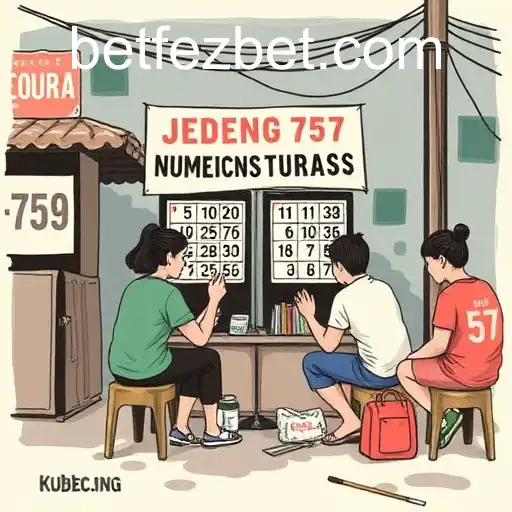
The mechanics of Jueteng are deceptively simple yet effective. Participants choose a combination of two digits ranging from 1 to 37. These numbers are then placed as bets, with an intermediary collector or "kubrador" gathering these bets to be compiled for the draw that happens multiple times a day. The draw is usually conducted in a secret location to avoid detection by authorities, given the game's illegal status.
Winning odds are slim, which only adds to the allure and excitement. Interestingly, despite the low chance of winning, the hope for a quick financial boost keeps participants coming back.
Jueteng and Economic Impact
Jueteng is often seen as a way for economically disadvantaged individuals to strive for a better life. Many bettors view it as a small financial risk in hopes of reaping substantial rewards, although the reality often leads to financial strain rather than relief. The influx of money from countless small bets can amass to significant sums, benefitting those who orchestrate the game, particularly higher-level operators.
Connections to Societal Structures
The game’s persistence is attributed to its socio-cultural roots and the charm that comes from a community-based activity. Jueteng operates in tightly-knit neighborhoods where participants see themselves as part of something larger than just a game of chance. This sense of community is perpetuated by the kubradors, who maintain close relationships with bettors, ensuring the continual flow of funds.
The Political Angle
Politically, Jueteng serves as a controversial yet influential factor. It acts both as a source of illicit funding for unscrupulous politicians and as a means of gaining favor among voters, who see politicians supporting Jueteng as allies of the common man. This dual dynamic creates a complex web of alliances and oppositions, marking Jueteng not merely as a game but a focal point in the larger political landscape.
The Role of Technology and Fezbet
In recent years, the advent of digital platforms like fezbet introduces intriguing parallels to the traditional game of Jueteng. While fezbet operates within a legal framework, offering online betting options, it shares similarities in its appeal to the desire for quick financial gains. The rise of such platforms underscores the continuously evolving landscape of betting, blending traditional practices with modern technology, thereby expanding the reach and engagement with gambling from the physical streets to the virtual world.
Cultural Significance
Despite its illegal nature, Jueteng remains culturally significant. It has been featured in various forms of media, including films, television, and literature, highlighting its pervasive presence in everyday Filipino life. The game embodies the challenges faced by lower socio-economic groups and serves as a reflection of ongoing societal issues related to poverty and inequality.
Challenges in Eradication
Efforts to curb Jueteng have largely failed due to its deep roots in local communities and its integration into the lives of many Filipinos. Additionally, the covert operation of these games, facilitated by local protection from higher authorities, makes complete eradication a daunting task. Law enforcement agencies are often torn between clamping down on illegal operations and recognizing the socio-economic realities that drive such activities.
Prospects for the Future
Looking ahead, the future of Jueteng and similar games hinges on broader economic and social reforms. Opportunities to transition to legalized forms of gambling, coupled with educational campaigns, might offer avenues for change. Initiatives to create awareness about responsible betting practices and legal alternatives could potentially diminish Jueteng's grip on local communities.
While Jueteng remains a contentious issue, its endurance highlights the complexities involved in balancing tradition, necessity, and legality. Its continued existence serves as a reminder of the multifaceted tapestry that makes up the ebb and flow of daily life for many in the Philippines.
